Your welcome email may be the oldest writing in your ESP
Welcome emails are the first impression we make on the new subscriber but it's one that we often "set and forget".
I recently met a web and brand designer Caitlin Lang who told me about updating her welcome sequence for the first time since creating it after a new subscriber had replied to her welcome email and asked if she meant to recommend someone that she no longer admired or wanted to amplify.
The automation kept speaking for an older version of Caitlin.
That conversation made me think about my own welcome email and I finally braved it today.
Reader, it was stale: brand colors that I updated last year, resources like my DMARC DIY guide that was very helpful in 2024 but wouldn’t be the first thing I’d point someone toward now, and no “call me when” section, which I now use regularly.
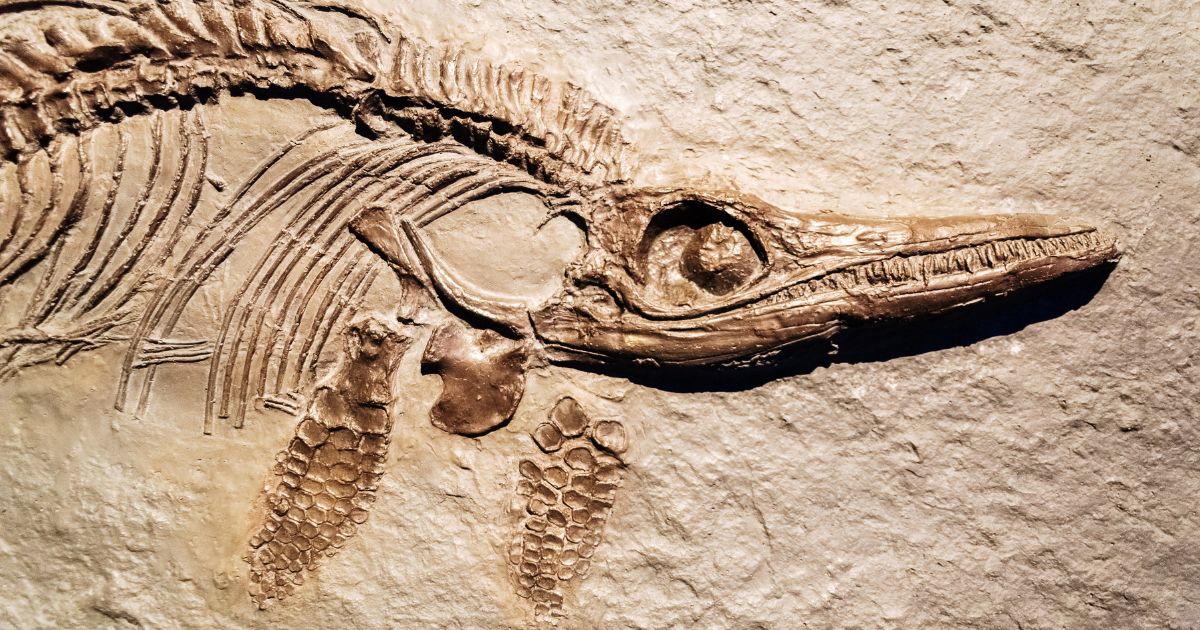
Automations fossilize
You know that saying about cars depreciating as soon as they're driven off the lot? Your emails depreciate too.
Welcome sequences, nurture flows, onboarding emails, evergreen automations: they all tend to fossilize in the background while everything else evolves.
Positioning sharpens, offers change, opinions mature, aesthetic shifts, but the automation you set up keeps faithfully doing its job of sending a snapshot of you from months or years ago.
That’s especially strange when you consider what a welcome email represents: it's the first impression a new subscriber gets in one of the most personal spaces, their inbox. And yet it’s usually treated as “set it and forget it” territory.
Evergreen ≠ frozen
One thing that helps me avoid the drift is snippets.
Some ESPs like Kit support reusable content blocks that can be inserted across multiple emails and updated centrally. Instead of manually editing the same recommendation, CTA, disclaimer, resource list, or “things I’m reading” section in five different automations, you update it once.
This doesn’t solve the deeper problem, but it does reduce friction enough that emails are more likely to stay current.
Ongoing representation
Your welcome sequence is ongoing representation, running in the background. If I signed up today, would I meet an outdated version of you before I got to know the current one?